
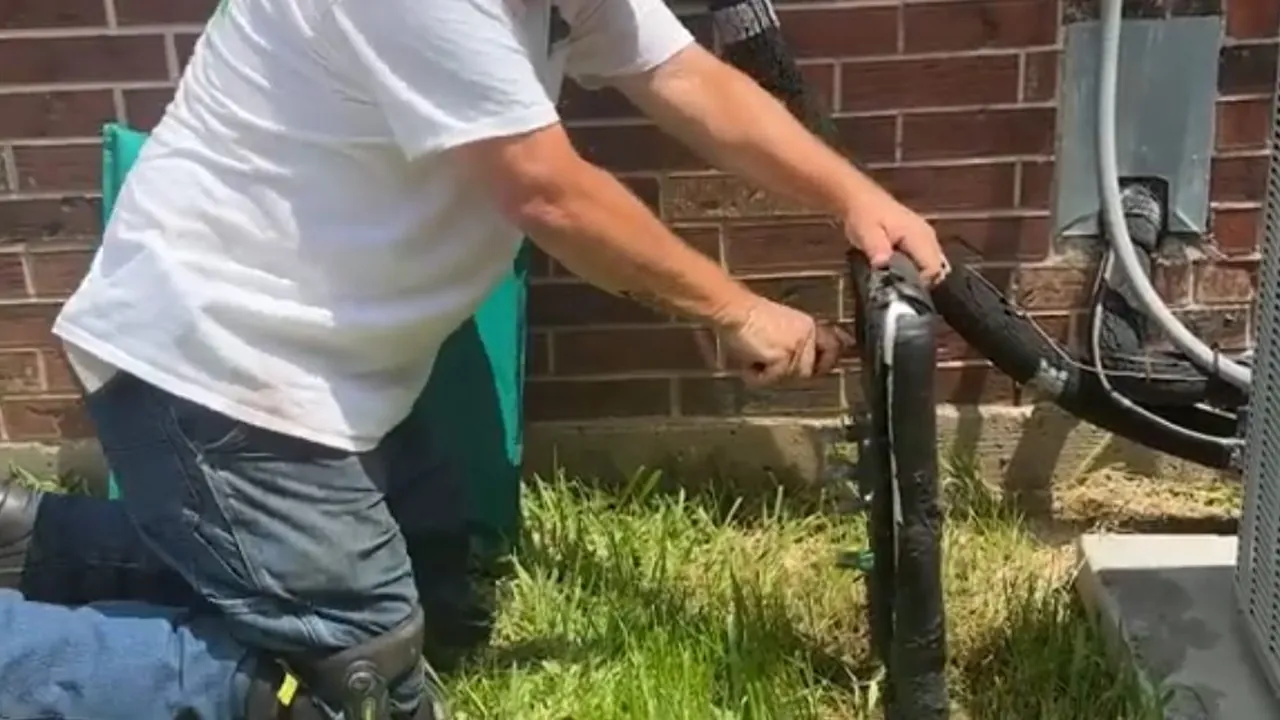
If your Wheat Ridge home has an irrigation system connected to the Consolidated Mutual Water Company supply, you are likely subject to an annual backflow preventer testing requirement. It is one of those obligations that is easy to overlook until a notice arrives, but the underlying purpose, protecting the drinking water supply, makes it worth understanding.
Backflow prevention is a public health measure built into the plumbing code and enforced by water utilities. For most Wheat Ridge homeowners, it becomes relevant when they have an irrigation system, because irrigation is one of the most common situations requiring a backflow preventer and annual testing. Here is what the requirement involves and why it exists.
What Backflow Is and Why It Matters
Backflow is the unwanted reversal of water flow in a plumbing system. Normally, water flows in one direction: from the utility supply into your home and its fixtures. But under certain conditions, such as a drop in supply pressure from a water main break or heavy demand, the flow can reverse, drawing water from your home's plumbing back into the supply system.
This matters because of what that reversed water might contain. An irrigation system, for example, has water sitting in pipes and sprinkler heads that are in contact with soil, fertilizer, pet waste, and other contaminants in the yard. If backflow occurs, that contaminated water could be drawn back into the potable water supply, where it could reach drinking water taps, your own and potentially your neighbors'. A backflow preventer is a device that stops this reversal, protecting the drinking water supply from contamination.
The Cross-Connection Concept
Any point where the potable water supply connects to a system that could contain contaminants is called a cross-connection. Irrigation systems are a classic cross-connection, which is why they require backflow prevention and testing.
Why Irrigation Systems Require Backflow Preventers
Irrigation systems are among the most common residential cross-connections. The irrigation piping carries potable water from your home's supply out to the sprinkler heads, but those sprinkler heads and the lines feeding them are exposed to everything in the soil and on the lawn. Without a backflow preventer, a pressure drop could siphon contaminated irrigation water back into the potable supply.
For this reason, irrigation systems connected to the CMWC potable supply are required to have an approved backflow prevention assembly, and that assembly must be tested annually to verify it is functioning. The backflow preventer is a mechanical device, and like any mechanical device, it can fail or degrade over time. Annual testing confirms it is still doing its job.
The CMWC Annual Testing Requirement
Consolidated Mutual Water Company requires annual testing of backflow prevention assemblies on irrigation systems and other cross-connections within its service area. The testing must be performed by a certified backflow assembly tester, who tests the device, documents the results, and submits them to CMWC. This creates a record that the device was tested and either passed or, if it failed, was repaired or replaced and retested.
The testing typically needs to happen on an annual cycle, and CMWC tracks compliance. Homeowners who do not complete the required annual testing may receive notices and, in some cases, face consequences for non-compliance. The simplest way to stay compliant is to schedule the testing as a routine annual task, often timed with the seasonal startup of the irrigation system. Our backflow prevention service handles testing and result submission for Wheat Ridge irrigation systems.
Time for your annual backflow test? We test, document, submit results to CMWC, and repair failed assemblies in one visit where possible.
Call (303) 567-7524 · 24/7What Happens During a Backflow Test
A backflow test is a relatively quick procedure performed by a certified tester. The tester attaches test equipment to the backflow assembly and measures whether the device's check valves and relief valve are functioning within the required parameters. The test confirms that the device will actually prevent backflow under the conditions it is designed to handle. The whole process usually takes well under an hour for a typical residential assembly.
If the device passes, the tester documents the result and submits it to CMWC, and you are compliant for the year. If the device fails, it means a component has worn or malfunctioned and the assembly is not reliably preventing backflow. A failed device needs repair or replacement, after which it is retested to confirm it now passes. We can often repair or replace a failed assembly during the same visit for common failure types, minimizing the back-and-forth.
Maintaining Your Backflow Assembly
Beyond the annual test, a few maintenance considerations help keep a backflow assembly functioning. Many backflow preventers are installed above ground and are exposed to the elements, which means they are vulnerable to freezing in Wheat Ridge winters. Before the first hard freeze, the irrigation system should be winterized and the backflow assembly drained or protected to prevent freeze damage, which is one of the most common causes of assembly failure in the area. A frozen, cracked backflow preventer will fail its next test and require replacement.
Proper winterization of the irrigation system, including the backflow assembly, is therefore both a maintenance step and a way to avoid a failed test the following spring. When we winterize or service an irrigation system, we address the backflow assembly's freeze protection as part of the work. Keeping the assembly protected through winter and tested each year keeps you compliant and keeps the drinking water supply protected.
Beyond Irrigation: Other Cross-Connections
While irrigation systems are the most common reason a Wheat Ridge homeowner encounters backflow testing, they are not the only cross-connection that can require backflow prevention. Other residential cross-connections include certain types of boiler and heating system connections, some water features and pools, and connections to non-potable water sources. Most homeowners will only deal with the irrigation requirement, but it is worth knowing that the underlying principle, protecting the potable supply from any connection that could introduce contaminants, applies more broadly.
If you add a feature to your home that creates a new cross-connection, such as a pool or certain irrigation expansions, it may bring its own backflow prevention requirement. When in doubt about whether a particular connection requires backflow prevention, the question is whether the connection could allow non-potable or contaminated water to reach the drinking water supply under backflow conditions. We can advise on whether a specific situation in a Wheat Ridge home calls for backflow prevention.
Choosing a Certified Tester
Backflow testing must be performed by a certified backflow assembly tester, and the certification matters because the test requires specific knowledge and equipment to perform correctly and because CMWC requires results from a qualified tester. When arranging your annual test, confirming that the work is done by a properly certified tester ensures the results will be accepted and that the test actually verifies the device is functioning. We perform backflow testing with proper certification and handle the submission of results to CMWC, so the compliance process is straightforward for the homeowner.
Key Takeaways
- Backflow is the reversal of water flow that can draw contaminants into the drinking water supply.
- Irrigation systems are a common cross-connection requiring a backflow preventer and annual testing.
- CMWC requires annual testing by a certified tester, with results submitted to the utility.
- Winterizing the assembly prevents freeze damage, a common cause of failed tests in Wheat Ridge.
If your Wheat Ridge irrigation system is due for its annual backflow test, or if you are not sure whether your system is compliant, we handle testing, documentation, CMWC submission, and any needed repairs. We serve all of Jefferson County. Call (303) 567-7524.