
Wheat Ridge, CO · Front Range Winter Plumbing
Frozen Pipe Repair in Wheat Ridge, CO: Emergency Response When Front Range Temperatures Drop
At 5,400 feet above sea level, Wheat Ridge winters bring sustained cold snaps that freeze uninsulated pipes in crawlspaces, exterior walls, and garages. We dispatch to all Jefferson County ZIP codes immediately when a pipe freezes or bursts.
Why Wheat Ridge Homes Are Especially Vulnerable to Frozen Pipes
Wheat Ridge sits at approximately 5,400 feet above sea level. At this elevation, temperature swings are more extreme than in lower-elevation Denver neighborhoods, and cold snaps that push temperatures below zero Fahrenheit are a regular feature of Jefferson County winters. The combination of altitude, wind exposure, and the rapid temperature changes characteristic of Front Range weather creates more frequent and more severe freezing conditions than communities at lower elevations.
Wheat Ridge's housing stock amplifies this vulnerability. Homes built between 1900 and 1955, the majority of Wheat Ridge's residential inventory, were constructed to much lower energy standards than current Jefferson County building codes require. Crawlspaces are frequently uninsulated or minimally insulated. Pipes in exterior walls have little or no thermal protection. Attached garages, common in Wheat Ridge's post-WWII housing, allow exterior temperatures to reach pipe-level locations inside the structure. Hose bibs and exterior frost-free connections on older homes are often not frost-free models, meaning they hold water in the exterior portion of the fitting all winter unless manually shut off and drained.
The result is a predictable pattern: during the first extended cold snap of the season, typically in December or January, homes with unprotected vulnerable pipe runs experience freezes. Crawlspace pipes along the exterior foundation perimeter, supply lines in unheated garages, and the water line running through an attached garage wall are the most commonly affected locations in Wheat Ridge's older housing stock.
If a Pipe Freezes or Bursts: Do This Now
Recognizing a Frozen or Burst Pipe in Your Wheat Ridge Home
Signs a Pipe Is Frozen But Not Yet Burst
Loss of water flow to specific fixtures during or immediately after a cold snap is the primary indicator. If your kitchen faucet has no flow but your bathroom sink works normally, the affected section is likely in a vulnerable exterior wall between those fixtures. Frost or ice visible on exposed pipe sections in the crawlspace, basement, or garage confirms a freeze. A pipe that is frozen but not yet burst will have no flow but will not show wet insulation, dripping, or water staining around the pipe.
Signs a Pipe Has Already Burst
When frozen water inside a pipe expands beyond the pipe's structural capacity, the pipe splits or fails at a joint. Signs of a burst pipe include water staining, active dripping, or standing water in the area of the freeze location. Reduced water pressure throughout the home after a cold snap, even if flow returns after thawing, indicates a possible split that may be weeping rather than actively gushing. A bulge or crack visible on exposed pipe is a definitive indicator of burst failure. Any pipe that shows signs of a burst should be repaired before water service is restored.
What to Do Immediately When a Pipe Freezes or Bursts
Shutting off the main water valve is the first and most important action. In most pre-1955 Wheat Ridge homes, the main shutoff is near where the supply line enters the basement from the street, typically along the front foundation wall near the water meter. If you cannot locate it, the Consolidated Mutual Water Company meter box at the street has a secondary shutoff. Stopping water flow immediately limits damage if a burst has occurred and prevents pressure-related stress if the pipe is frozen but still intact.
After shutting off the main, open faucets downstream from the frozen section to drain any remaining water from the pipe. This reduces pressure in the frozen section and can help controlled thawing when the freeze releases. If the freeze is in a visible, accessible location like an under-sink supply line or a basement pipe run, you can apply gentle warmth with a hairdryer, working from the end closest to an open faucet toward the frozen section. Do not use open flame, high-wattage heat guns, or apply concentrated heat at joints, as this can cause steam pressure to rupture a weakened pipe from the inside.
If the frozen pipe is in a wall, crawlspace, or otherwise inaccessible location, do not attempt to thaw it yourself. Hidden freezes carry a higher risk of burst at locations you cannot inspect while thawing, and a burst in an inaccessible area causes far more damage before it is discovered. Call us and we will handle the thaw and inspection together.
How We Repair Frozen and Burst Pipes in Jefferson County
When we arrive at a Wheat Ridge home for a frozen pipe situation, we first identify all affected sections. A freeze in one location often creates thermal stress in adjacent pipe runs in the same area, and we check the full zone for hidden damage before making repairs. We use controlled thawing methods that allow us to monitor the pipe as it warms and identify any sections that have already split or cracked under freeze pressure.
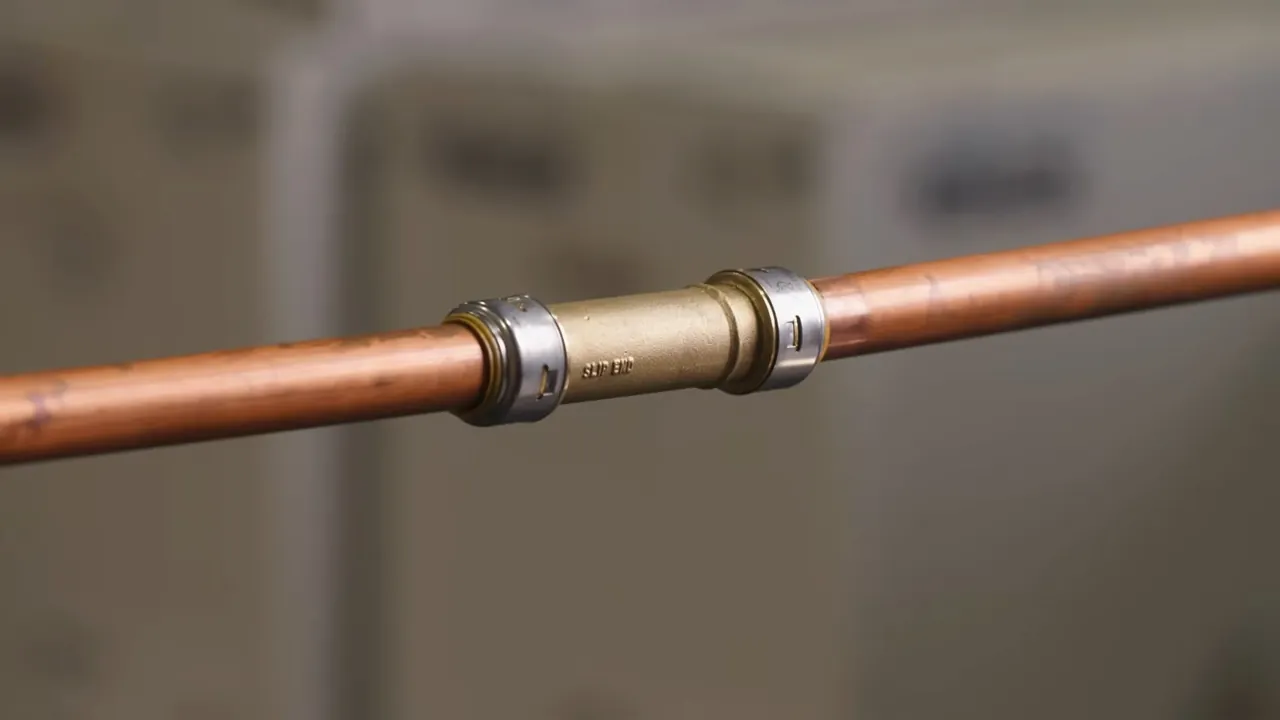
Once we have identified and isolated all damaged sections, we replace the affected pipe run and pressure test the repair before restoring water. For burst sections, we replace the pipe entirely rather than patching the split, as a burst location often indicates a weakened section that will fail again under the next thermal stress event. We also inspect the insulation condition in the affected area and identify other vulnerable runs nearby so you understand what else may be at risk.
Preventing Frozen Pipes in Wheat Ridge's Older Housing Stock
For Wheat Ridge homes built before 1955, several prevention measures address the specific vulnerabilities of older construction. Adding crawlspace insulation, particularly along the exterior foundation perimeter where water supply lines run, is among the highest-value investments for winter pipe protection. Even a basic fiberglass batt against the exterior crawlspace wall significantly reduces how cold the pipe environment gets during sustained cold snaps.
Pipe wrap insulation on exposed runs in the crawlspace and basement adds a layer of thermal protection around the pipe itself. Heat tape, installed along the pipe and plugged into an outlet, provides active heating for the highest-risk sections. For hose bibs, replacing non-frost-free models with frost-free (also called self-draining or anti-siphon) models positions the shutoff mechanism inside the warm conditioned space where it cannot freeze, eliminating the need to manually shut off and drain the hose bib before winter.
During extreme cold snaps, letting faucets served by vulnerable pipe runs drip slowly keeps water moving, which is significantly harder to freeze than standing water in a static pipe. Keeping the home heated to at least 55 degrees Fahrenheit at all times, even when vacant, prevents the interior temperature from dropping to the range where interior pipes become vulnerable.
Further Reading
For information on other aging plumbing vulnerabilities in pre-1955 Wheat Ridge homes, read our guide: Signs Your Wheat Ridge Home Has Cast Iron Drain Problems.
Common Questions
Frequently Asked Questions
Pipe Frozen or Burst in Wheat Ridge? Call for Immediate Response.
We dispatch to all Wheat Ridge ZIP codes around the clock. No voicemail, no after-hours hold. A real plumber answers at (303) 567-7524.
Call (303) 567-7524 · Available 24/7