Wheat Ridge, Colorado is a home-rule city in Jefferson County, situated northwest of
Denver at around 5,400 feet above sea level. Its streets are shaded by some of the
oldest elm and cottonwood canopy in the Denver metro area, earned through more than
30 years as a certified Tree City USA community. That mature canopy is one of Wheat
Ridge’s defining characteristics, and it is also one of the primary drivers of
sewer line problems in the city’s older neighborhoods, where roots have had
decades to find every aging joint in clay tile laterals.
The housing stock along 38th Avenue, through the Applewood area, and across Fruitdale
was largely built between 1900 and 1955, during Wheat Ridge’s growth from an
agricultural community known as “Carnation City” into a streetcar suburb
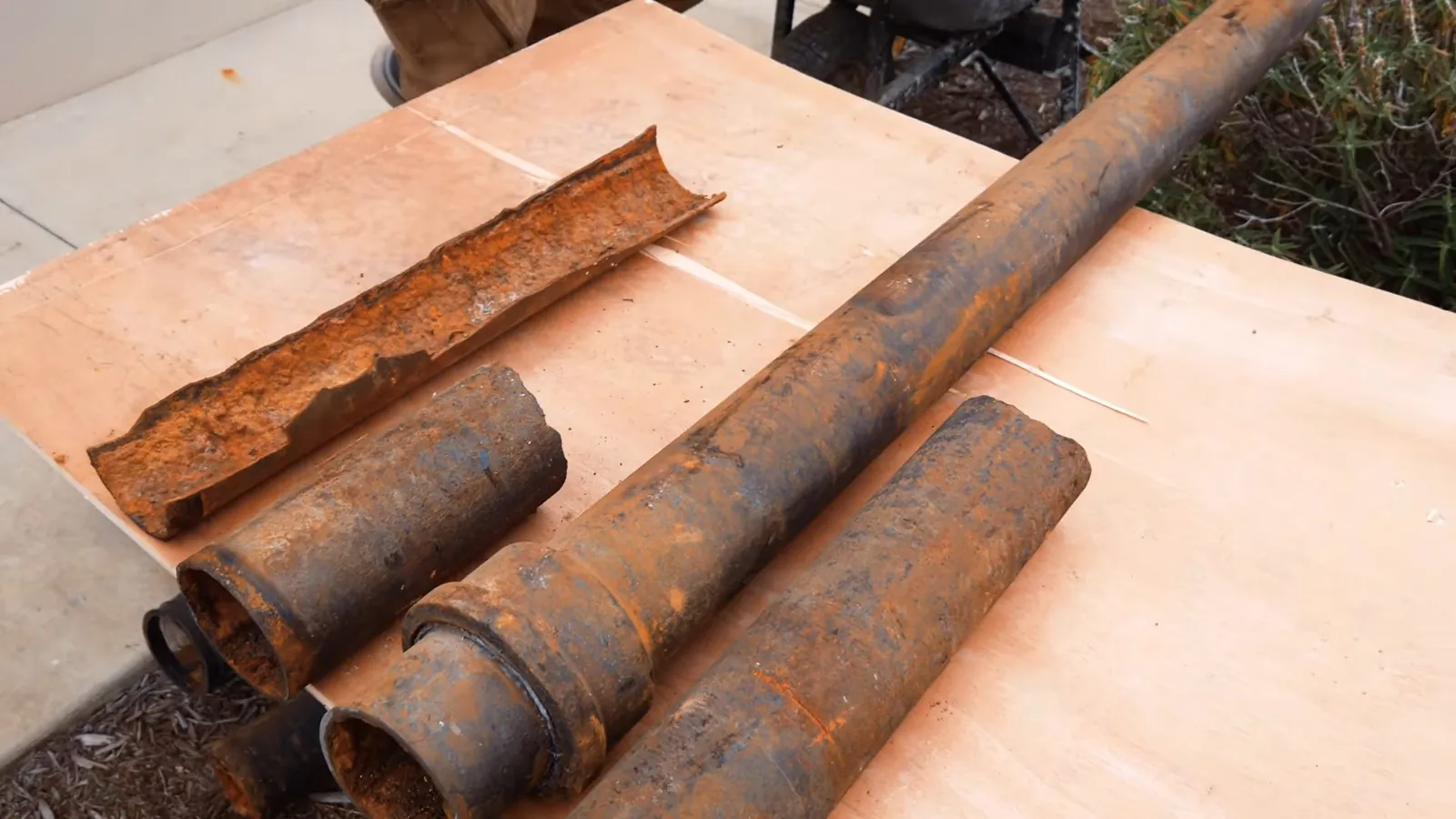
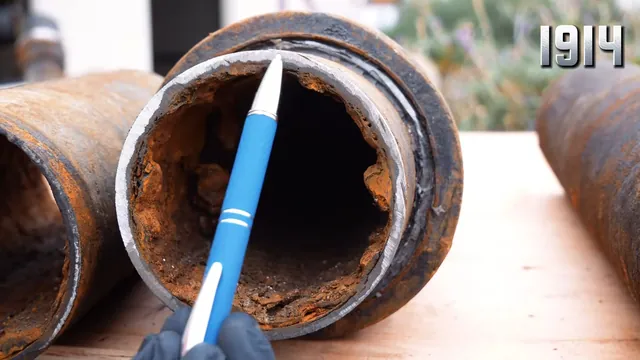
of Denver. Those homes were plumbed with cast iron drain-waste-vent systems and clay
tile sewer laterals, materials that were standard at the time and designed for a service
life of 50 to 100 years. That service life has now expired for most of them, and
Jefferson County’s expansive clay and shale soil accelerates pipe movement with
every freeze-thaw cycle.
Water service for most of Wheat Ridge is provided by the Consolidated Mutual Water
Company, a private, stockholder-owned nonprofit established in 1926 and drawing from
Clear Creek and Denver Water supply facilities. Sewer service is operated by the City
of Wheat Ridge. Understanding which system serves your home, and which lines are your
responsibility versus the city’s, matters when diagnosing a backup or planning
a cast iron drain or sewer lateral replacement.