Wheat Ridge, CO · Jefferson County Sewer Specialists
Sewer Line Repair in Wheat Ridge, CO: Root Intrusion, Bellied Lines, and Clay Tile Solutions
Tree City USA's mature cottonwood and elm canopy has had decades to find every crack in Wheat Ridge's aging clay tile sewer laterals. We repair, reline, and replace sewer lines throughout Jefferson County. Call (303) 567-7524 for a camera inspection.
Why Wheat Ridge Sewer Lines Fail
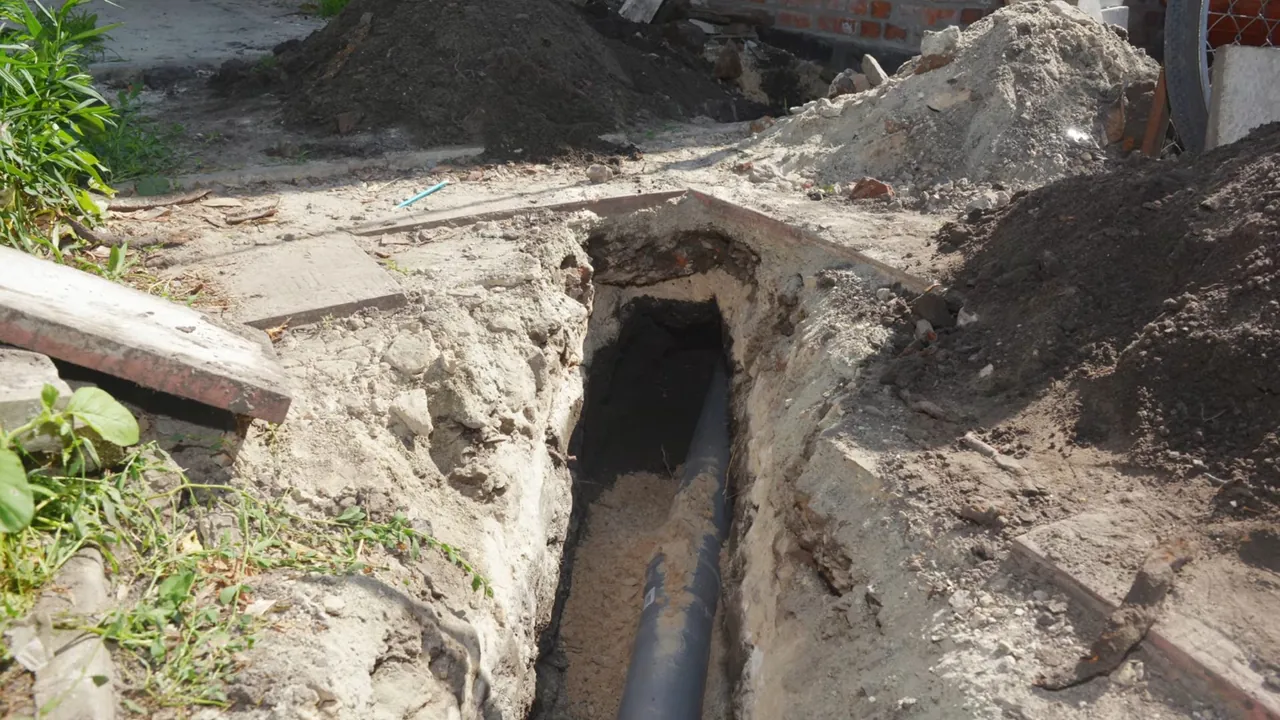
Wheat Ridge's status as a certified Tree City USA community, earned and maintained over more than 30 years, reflects the city's mature urban tree canopy. That canopy is one of Wheat Ridge's most valued characteristics and also one of its most significant contributors to sewer line problems. The root systems of mature cottonwood, elm, and ash trees follow soil moisture gradients, and the most consistent source of moisture in a Wheat Ridge yard is the wastewater flowing through the clay tile or cast iron sewer lateral below. Roots find every joint, crack, and degraded section, entering and then expanding within the pipe until flow is restricted or blocked entirely.
Beyond root intrusion, Jefferson County's soil plays a significant role. The expansive clay and shale composition typical of the Front Range foothill transition zone shifts with moisture content and with the freeze-thaw cycles of Colorado winters. That soil movement stresses pipe joints, creates belly sections where the line sags and wastewater pools, and can offset joints completely over time. Clay tile laterals installed in the 1900s through 1950s, the period of Wheat Ridge's peak residential construction, were not designed to resist decades of soil movement of this type.
The convergence of these factors, an aging clay tile or cast iron sewer lateral installed 70 to 125 years ago, a mature root system above it, and expansive soil beneath it, creates the pattern we see regularly in Wheat Ridge: slow drains that return despite clearing, recurring blockages in the same location, and eventually backup events that indicate structural failure of the lateral.
Sewer Line Warning Signs
Types of Sewer Line Damage We Fix in Jefferson County
Root Intrusion from Tree City USA Canopy
Root intrusion is the most common sewer line problem in Wheat Ridge's older neighborhoods. Roots enter clay tile laterals at joints, at small cracks, and at corroded sections of cast iron pipe. Once inside, they grow to fill the available space, creating a mass that catches solids and eventually blocks flow completely. A camera inspection shows the extent of root intrusion and whether the pipe still has structural integrity suitable for lining, or whether the damage requires more extensive repair.
Soil Movement and Pipe Belly
Jefferson County's expansive clay soil expands when wet and contracts when dry, creating differential ground movement that gradually displaces pipe sections from their original grade. When a sewer lateral develops a belly, wastewater pools in the low section, solids accumulate, and the location becomes a chronic problem area. Belly sections cannot be cleared with snaking and do not resolve themselves. The pipe needs to be re-graded or replaced in the affected section.
Cast Iron and Clay Tile Corrosion and Joint Failure
Cast iron exterior sewer laterals installed before 1955 are subject to the same corrosion processes as interior cast iron drain pipes. The lead-caulked bell-and-spigot joints degrade, clay tile sections crack under soil pressure, and the pipe interior accumulates scale that restricts flow. Camera inspection shows the material condition throughout the lateral run from the house to the main connection.
Joint Offset and Pipe Separation
Soil movement can cause pipe sections to shift horizontally or vertically, offsetting the joints. An offset joint creates a step in the pipe that catches solids and restricts flow. Severe offset means wastewater is escaping the pipe into the soil before reaching the sanitation main, which can cause yard saturation and creates an environmental health concern. Offset joints typically require excavation and pipe replacement in the affected section.
Sewer Line Repair Options: Trenchless vs. Open Excavation
When Cured-in-Place Pipe Lining Is the Right Choice
Cured-in-place pipe (CIPP) lining involves inserting a resin-saturated felt liner into the existing sewer lateral and curing it in place to form a new smooth pipe within the old pipe. CIPP works well for clay tile or cast iron laterals with root intrusion, minor cracking, or degraded joints where the pipe still has enough structural integrity to support the liner. It avoids excavation of the yard, driveway, or landscaping in most cases. CIPP is particularly appropriate for Wheat Ridge homeowners dealing with recurring root intrusion in an otherwise intact lateral, as the smooth liner surface eliminates the joints where roots enter.
When Pipe Bursting Is the Right Tool
Pipe bursting is a trenchless method that fractures the existing pipe outward while simultaneously pulling a new HDPE pipe into place behind the bursting head. It works for laterals that are too deteriorated to support CIPP lining but do not have a belly or severe joint offset. Pipe bursting requires access points at each end of the replaced section but avoids continuous trench excavation. It is a good option when the lateral runs under a driveway or patio that would be expensive to excavate.
When Full Excavation and Replacement Is Required
A lateral with belly sections, multiple collapse points, or severe joint offset cannot be reliably addressed with trenchless methods. Full excavation exposes the pipe, allows it to be properly graded from house to main, and replaces the old material with PVC pipe and solvent-welded joints that eliminate the entry points for root intrusion. For Wheat Ridge homes where the lateral has multiple problems along its length, excavation is often the most cost-effective long-term solution despite the disruption.
Understanding Sewer Line Ownership in Wheat Ridge, CO
The City of Wheat Ridge operates the sanitation district and maintains the sewer mains in streets and easements. The sewer lateral connecting your home to the main is your property and your responsibility from where it exits your foundation to where it connects to the city main, typically at or near the property line or street right-of-way. This distinction matters for two reasons: the cost of repair falls to the homeowner, and the city has no obligation to address problems on the lateral before the main connection point.
This is different from water service, which is provided to most of Wheat Ridge by the Consolidated Mutual Water Company under a separate utility arrangement. If you have a plumbing backup or drainage problem, clarifying which system is involved, the interior drain-waste-vent system, your exterior sewer lateral, or the city main, is the first diagnostic step. A camera inspection through a floor drain cleanout or exterior cleanout access determines where the problem lies and whose responsibility it is to address.
Further Reading
For more on how tree roots find their way into Wheat Ridge sewer lines, read our guide: How Tree Roots Invade Sewer Lines in Wheat Ridge's Tree City USA Neighborhoods.
Common Questions
Frequently Asked Questions
Sewer Line Problem in Wheat Ridge? Call Jefferson County's Sewer Specialists.
Camera inspection is the first step. We identify the cause, explain your repair options, and recommend the approach that fits your specific lateral condition and budget. Available 24/7 throughout Wheat Ridge and Jefferson County.
Call (303) 567-7524 · Available 24/7