
Wheat Ridge sits at 5,400 feet on the Front Range, where winter cold snaps can drop temperatures well below freezing for days at a time. For the city's older homes, particularly those with crawlspaces and exposed pipe runs, those cold snaps bring a real risk of frozen and burst pipes. A little preparation goes a long way toward avoiding a winter plumbing emergency.
A frozen pipe is not just an inconvenience. When water freezes, it expands, and that expansion can rupture the pipe. The real damage often comes not from the freeze itself but from the burst that follows, and from the water that floods the home when the pipe thaws and flow resumes through the rupture. Understanding which pipes are at risk and how to protect them is the key to getting through a Front Range winter without a burst.
Why Wheat Ridge Homes Are Vulnerable
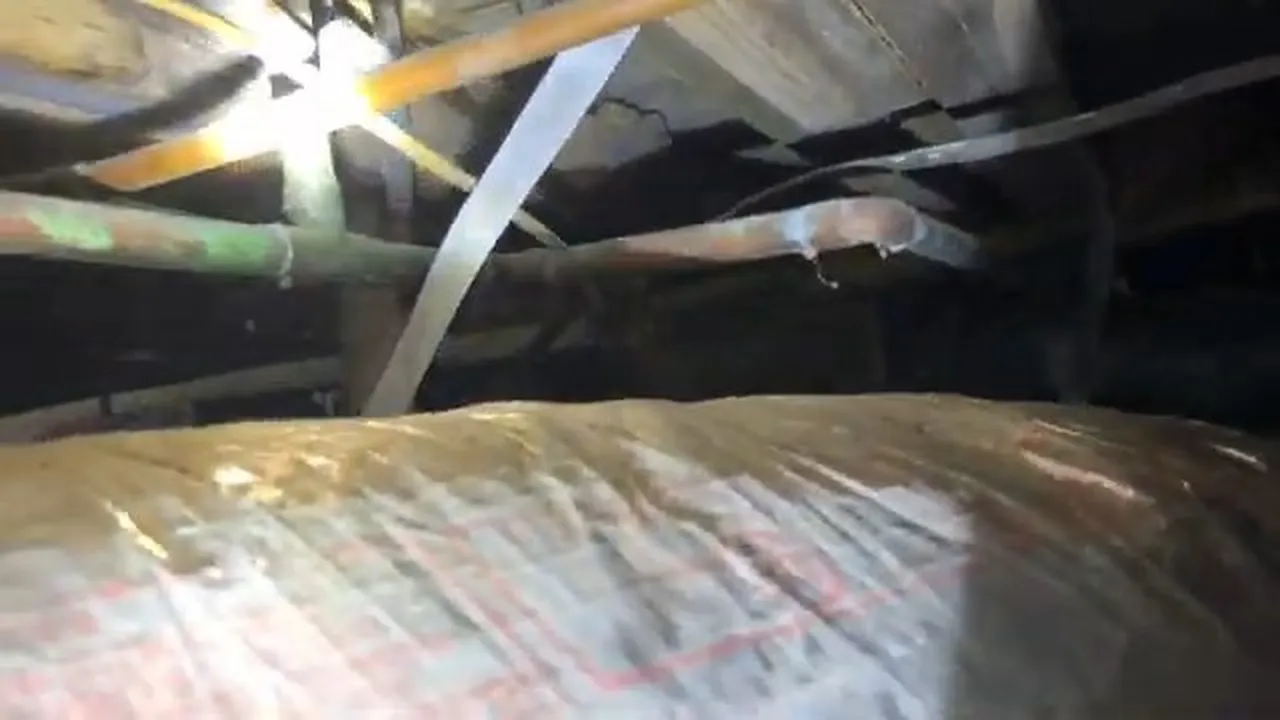
Several characteristics of Wheat Ridge's housing make frozen pipes a particular concern. Many of the city's older homes are built over crawlspaces or have unheated basements, where supply pipes run through spaces that are not kept at living temperature. Pre-1960 homes frequently have minimal or no insulation in these spaces and around the pipes themselves. And the Front Range climate produces sharp, sometimes prolonged cold snaps that can push temperatures in these unheated spaces below freezing.
Homes on the western and northern edges of Wheat Ridge, closer to the foothills, can experience even colder conditions during cold snaps as cold air drains down from the mountains. Crawlspaces with vents or openings on these exposed sides are especially vulnerable. The combination of an unheated space, uninsulated pipes, and a hard freeze is the recipe for a frozen pipe.
The Highest-Risk Pipes
Pipes most likely to freeze are those in unheated crawlspaces and basements, pipes running along exterior walls, and outdoor hose bibs. Any pipe exposed to cold air and not protected by insulation or heat is a candidate for freezing during a Wheat Ridge cold snap.
Prevention Before the Cold Arrives
Insulate Exposed Pipes
The single most effective preventive step is insulating exposed pipes in crawlspaces, basements, and along exterior walls. Pipe insulation sleeves are inexpensive and slow the rate at which pipe temperature drops, often enough to keep the water above freezing through a cold snap. Focus on the most exposed runs first.
Seal Crawlspace Openings
Crawlspace vents and openings that let cold air in should be sealed or closed for winter where appropriate. Reducing the flow of frigid outside air into the crawlspace keeps the space warmer and the pipes within it safer. Air sealing around the crawlspace perimeter also helps.
Disconnect and Protect Outdoor Faucets
Before the first hard freeze, disconnect garden hoses from outdoor hose bibs and drain the bibs. A hose left connected traps water in the bib, which can freeze and crack it. Installing frost-free hose bibs provides longer-term protection for these vulnerable exterior connections.
Add Heat Tape Where Needed
For pipes in the most vulnerable locations, electric heat tape provides active freeze protection, warming the pipe to keep the water above freezing even in extreme cold. Heat tape is particularly useful for exposed pipe runs that insulation alone may not protect during a severe, prolonged cold snap.
Want help winterizing your Wheat Ridge home's plumbing before the next cold snap? We assess freeze vulnerability and address the high-risk spots.
Call (303) 567-7524 · 24/7During a Cold Snap
When a hard freeze is forecast, a few additional steps reduce the freeze risk. Letting faucets drip slightly keeps water moving through the pipes, and moving water is much less likely to freeze than standing water. Opening cabinet doors under sinks on exterior walls lets warmer indoor air reach the pipes behind them. And keeping the home's thermostat at a consistent temperature, rather than dropping it sharply at night, helps maintain warmth in the spaces where pipes run. If you leave town during winter, never turn the heat off entirely; keep it set high enough to protect the plumbing.
What to Do If a Pipe Freezes
If you turn on a faucet and only a trickle comes out during cold weather, a pipe has likely frozen. The priority is to thaw it carefully before it bursts, or to minimize damage if it already has. Open the affected faucet so that water can flow once thawing begins, which also relieves pressure. Apply gentle heat to the frozen section using a hair dryer, heat lamp, or towels soaked in warm water, working from the faucet end toward the frozen area. Never use an open flame to thaw a pipe.
If you cannot locate the frozen section, if the pipe has already burst, or if you are unable to thaw it safely, shut off the water at the main shutoff valve to prevent flooding and call for emergency service. A burst pipe can release a large volume of water quickly, and knowing where your main shutoff is located, before you need it, is one of the most valuable pieces of winter preparation. Our frozen pipe repair service and emergency plumbing service respond to frozen and burst pipe situations throughout Wheat Ridge around the clock.
Know Where Your Main Shutoff Is
The most valuable piece of winter plumbing preparation has nothing to do with insulation or heat tape: it is simply knowing where your main water shutoff valve is located and confirming that it works. When a pipe bursts, every minute that water continues to flow adds to the damage, and the ability to shut off the water immediately can be the difference between a manageable cleanup and a flooded home. The main shutoff is typically located where the water line enters the home, often in a basement, crawlspace, or utility area.
Take a few minutes before winter to locate your shutoff valve, confirm you can operate it, and make sure everyone in the household knows where it is. Older shutoff valves can seize up from disuse, so it is worth verifying that yours actually turns. If it does not, or if you cannot locate a main shutoff at all, that is a problem worth addressing before a winter emergency makes it urgent. A functioning, accessible main shutoff is your first line of defense against a burst pipe.
Why Older Homes Need Extra Attention
Wheat Ridge's pre-1960 homes deserve particular winter attention because they combine several risk factors. Their crawlspaces and basements are often unheated and uninsulated. Their original plumbing may include pipe runs in exterior walls or other exposed locations that newer construction avoids. And decades of settling and modification can leave gaps and air leaks that let cold air reach pipes. For these homes, a one-time assessment of freeze vulnerability, identifying the exposed pipe runs and the air leaks that put them at risk, pays off across every winter that follows.
If your older Wheat Ridge home has experienced a frozen pipe before, that history identifies a vulnerable spot that will freeze again under similar conditions unless the underlying exposure is addressed. Rather than hoping it does not recur, addressing the insulation, air sealing, or heat tape needs at that specific location prevents the repeat. We assess freeze vulnerability in older Wheat Ridge homes and address the high-risk spots before winter, not just after a freeze has already caused damage.
Key Takeaways
- Wheat Ridge's older crawlspace homes at 5,400 feet are vulnerable to frozen pipes during Front Range cold snaps.
- Insulating exposed pipes, sealing crawlspace openings, and protecting outdoor faucets are the key preventive steps.
- During a freeze, drip faucets, open under-sink cabinets, and keep the heat consistent.
- If a pipe bursts, shut off the water at the main and call for emergency service immediately.
A frozen pipe is one of the most preventable winter plumbing emergencies, but when one bursts, fast response limits the damage. We help Wheat Ridge homeowners prepare for winter and respond to freeze emergencies 24/7. Call (303) 567-7524.