
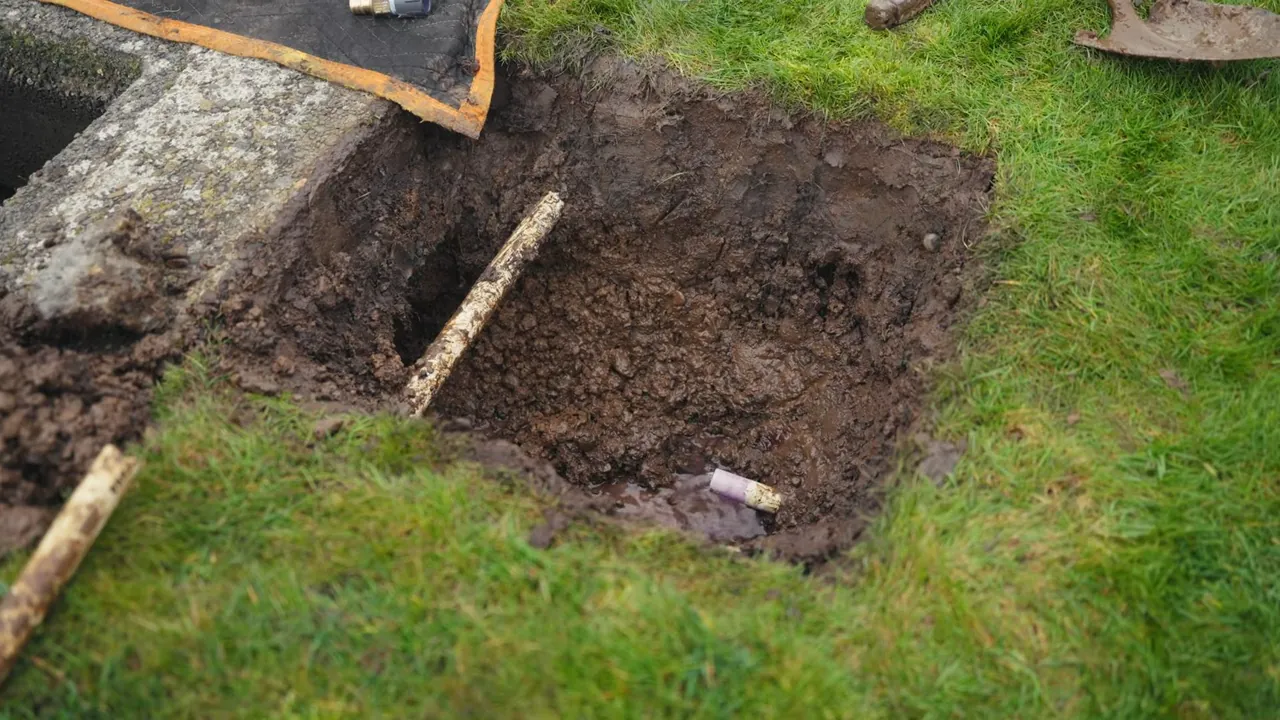
The expansive clay soil beneath Jefferson County is one of the defining challenges for plumbing in Wheat Ridge. It expands when wet and contracts when dry, and over the seasons that movement stresses, displaces, and eventually damages the sewer laterals buried within it. Understanding this soil behavior explains a great deal about why Wheat Ridge sewer laterals fail the way they do.
Soil might seem like a stable, static thing, but expansive clay is anything but. The clay and shale that underlie much of the Front Range, including Jefferson County, contain minerals that absorb water and swell. When the soil dries, it shrinks back. This cyclical swelling and shrinking, repeated season after season for decades, exerts constant mechanical stress on anything buried in the soil, including your sewer lateral.
What Makes Clay Soil Expansive
Expansive soils contain clay minerals, particularly those in the smectite group, that have a strong affinity for water. When water is available, these minerals absorb it into their structure and the soil expands, sometimes substantially. When the water leaves, through evaporation, drainage, or uptake by plant roots, the minerals release the water and the soil contracts. The volume change between fully wet and fully dry can be significant, and it is this volume change that drives the soil movement.
In Jefferson County, this expansive clay and shale is widespread, a product of the geological history of the Front Range. The seasonal moisture cycle of Colorado, with spring snowmelt and summer rains followed by dry periods, drives the clay through repeated expansion and contraction cycles. Each cycle moves the soil, and anything anchored in or passing through that soil experiences the movement.
The Seasonal Cycle
Wet spring and early summer expand the clay; dry late summer, fall, and winter contract it. A sewer lateral buried in this soil is pushed and pulled with each cycle, year after year, for the entire life of the home.
How Clay Movement Damages Sewer Laterals
Joint Separation
Older Wheat Ridge sewer laterals are assembled from short sections of clay tile or cast iron pipe joined end to end. As the surrounding clay soil expands and contracts, it moves these sections relative to one another, gradually working the joints loose. Separated joints open gaps that admit tree roots and allow water to escape, and they are among the most common failure points in laterals affected by clay soil.
Belly Sections
When clay soil beneath a section of lateral settles or shifts unevenly, that section can sag below the intended grade, forming what plumbers call a belly. A belly is a low spot where waste and water pool instead of flowing through, accumulating solids over time and producing recurring blockages. Bellies are a direct result of differential soil movement and are difficult to correct without excavation, because the pipe grade itself has been altered.
Cracking and Breaks
The mechanical stress of soil movement can crack rigid pipe materials, particularly older clay tile, which is brittle. A cracked lateral admits roots and soil and progressively deteriorates. In severe cases, the stress contributes to outright breaks or collapse of the pipe.
Recurring backups or slow drains that might trace to soil movement? A camera inspection reveals what's happening to your Wheat Ridge lateral.
Call (303) 567-7524 · 24/7Why This Hits Wheat Ridge Especially Hard
Several factors combine to make clay soil damage particularly significant in Wheat Ridge. The age of the housing stock means many laterals are original clay tile, the material most vulnerable to soil-movement cracking and joint separation. The expansive clay is widespread throughout the Jefferson County area. And the combination of soil movement with Wheat Ridge's Tree City USA root pressure is especially damaging, because the joint gaps opened by soil movement are exactly the entry points that tree roots exploit. The two problems compound each other.
This is why so many Wheat Ridge sewer lateral problems involve both root intrusion and soil-related joint or grade issues. The soil movement opens the gaps, and the roots move in. Addressing one without understanding the other gives an incomplete picture, which is why a thorough camera inspection assesses the full lateral condition rather than focusing on a single symptom.
What Homeowners Can Do
You cannot change the soil your home sits on, but there are steps that reduce the impact of clay soil movement on your sewer lateral. Managing moisture around the foundation helps moderate the expansion and contraction cycle: directing downspouts away from the foundation, maintaining proper grading so water drains away from the house, and avoiding both extreme over-watering and complete drying of the soil immediately around the home. Consistent soil moisture produces less dramatic swelling and shrinking than a soil that swings between saturated and bone-dry.
For laterals that have already been damaged by soil movement, the repair options depend on the specific condition. Joint separation and cracking in a structurally continuous lateral may be addressed with CIPP lining, which our trenchless sewer repair service provides. Belly sections and collapse generally require excavation to correct the grade and replace the pipe, handled by our sewer line repair service. A camera inspection determines which situation applies. Replacing an old clay tile lateral with modern PVC also reduces future vulnerability, because PVC is more resistant to the cracking that affects brittle clay tile under soil stress.
Clay Soil Affects More Than Sewer Laterals
While sewer laterals are where clay soil movement causes the most expensive plumbing problems, the same soil behavior affects other parts of a Wheat Ridge home. The water supply line running from the street to the house is also buried in the expansive clay and is subject to the same movement, though modern supply line materials tolerate it better than old clay tile. Foundations themselves are affected by expansive clay, which is why so many Front Range homes have foundation movement and cracking. A plumbing problem caused by soil movement sometimes appears alongside foundation symptoms, since both share the same underlying cause.
This connection is worth keeping in mind because a leaking sewer lateral or supply line can itself worsen the soil movement. Water escaping from a failed pipe saturates the surrounding clay, causing it to swell more than it otherwise would, which in turn stresses the pipe and the foundation further. A leak that goes unaddressed can set up a worsening cycle of soil movement and structural stress. This is one more reason that identifying and repairing a soil-damaged lateral promptly matters, beyond just restoring drainage.
Recognizing Soil-Related Lateral Problems
The symptoms of a soil-damaged sewer lateral overlap with other lateral problems, which is why a camera inspection is the reliable way to confirm the cause. Recurring backups, multiple slow drains, and gurgling are common to most lateral issues. The signs that more specifically suggest soil-related grade problems include backups that worsen over time as a belly section accumulates more waste, and laterals that have been cleared but quickly re-clog because the underlying low spot keeps trapping material. When clearing provides only brief relief and the problem keeps returning to the same spot, a grade problem from soil settlement is a likely cause, and that points toward excavation to correct the grade rather than repeated clearing.
Key Takeaways
- Jefferson County's expansive clay soil swells when wet and shrinks when dry, stressing buried sewer laterals.
- This movement causes joint separation, belly sections, and cracking in older clay tile and cast iron laterals.
- Soil movement and tree root intrusion compound each other, a combination especially common in Wheat Ridge.
- Managing foundation moisture helps; damaged laterals need lining or excavation depending on the condition.
If recurring backups, slow drains, or other symptoms suggest your Wheat Ridge sewer lateral is being affected by clay soil movement, a camera inspection reveals the actual condition and points to the right repair. We serve all of Jefferson County and are available 24/7. Call (303) 567-7524.