
Wheat Ridge has been a certified Tree City USA community for years, and the mature cottonwoods, elms, and other large trees that line its older neighborhoods are part of what makes the city a desirable place to live. They are also the single most common cause of sewer lateral problems in Wheat Ridge homes.
The same trees that provide shade and character to Wheat Ridge's residential streets send out root systems that actively seek moisture and nutrients. The aging clay tile and cast iron sewer laterals connecting older Wheat Ridge homes to the city sanitation mains are, from a tree's perspective, an ideal source of both. Understanding how this intrusion happens, how to recognize it, and what the repair options are helps Wheat Ridge homeowners address the problem before it becomes a sewage backup in the basement.
Why Tree Roots Target Sewer Laterals
Tree roots do not deliberately seek out sewer pipes, but they are highly effective at locating the conditions that aging sewer laterals provide. A clay tile sewer lateral installed in the 1930s or 1940s is assembled from short sections of pipe joined end to end. Over decades, the joints between these sections degrade, and the expansive clay soil of Jefferson County shifts seasonally, opening small gaps at the joints. Warm, nutrient-rich water vapor escapes from these gaps into the surrounding soil.
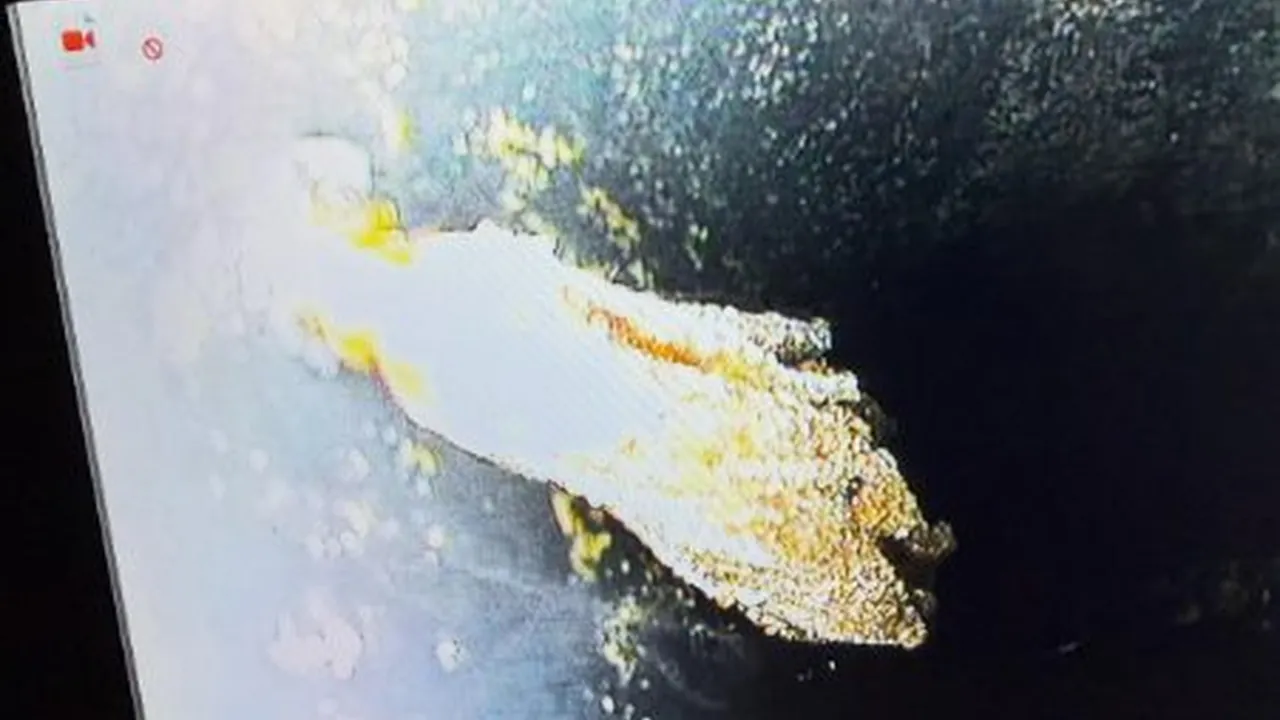
To a nearby tree root, this water vapor is a beacon. Roots grow toward the moisture source, and when a root reaches a joint gap, it grows through it into the interior of the pipe. Inside the pipe, with abundant water and nutrients, the root flourishes and expands into a dense mass. What began as a hairline root intrusion becomes, over a season or two, a root ball substantial enough to catch waste, restrict flow, and eventually block the lateral entirely.
The Wheat Ridge Factor
Wheat Ridge's combination of mature Tree City USA canopy, pre-1960 housing with clay tile laterals, and expansive Jefferson County clay soil creates close to ideal conditions for root intrusion. Homes adjacent to large trees, or near Wheat Ridge's parks and green spaces, face the highest risk.
Warning Signs of Root Intrusion
Gurgling Sounds from Drains and Toilets
As a root mass begins to restrict flow in the sewer lateral, water and waste back up slightly and trap air, producing gurgling sounds from drains and toilets. This is often the earliest audible sign that the lateral is becoming restricted.
Multiple Drains Slowing at Once
Because the sewer lateral carries waste from the entire home, a root mass restricting the lateral slows every drain in the house, not just one fixture. If your toilets, sinks, and tubs all begin draining slowly around the same time, the problem is likely in the shared lateral rather than at any individual fixture.
Recurring Backups on a Seasonal Cycle
Root growth accelerates during the growing season, so root-related sewer backups often follow a seasonal pattern, worsening in spring and summer. A backup that recurs at roughly the same time each year is a strong indicator of root intrusion.
Sewage Backup in the Lowest Drain
When a root mass blocks the lateral completely, sewage backs up and emerges at the lowest point in the home's drain system, typically a basement floor drain. A sewage backup is a plumbing emergency that requires immediate attention.
Hearing gurgling drains or seeing seasonal backups? Don't wait for a full blockage. We assess and clear root intrusion across Wheat Ridge.
Call (303) 567-7524 · 24/7How Root Intrusion Is Diagnosed
The first step in addressing suspected root intrusion is a camera inspection of the sewer lateral. A camera run through the lateral shows the exact location of the root intrusion, the severity of the root mass, and critically, the condition of the surrounding pipe. This last point matters because the repair decision depends not just on the roots but on whether the pipe they have entered is still structurally sound.
The camera inspection distinguishes between a lateral that has root intrusion but is otherwise intact, and a lateral that has root intrusion combined with cracking, collapse, or significant bellying. These two situations call for different repairs, and only a camera inspection can tell them apart. Our sewer camera inspection service provides this assessment for Wheat Ridge homes.
Clearing the Roots
Once roots are confirmed, the immediate priority is clearing them to restore flow. There are two primary clearing methods. Mechanical augering uses a rotating cutting head on a cable to cut through the root mass and clear the pipe. Hydro jetting uses high-pressure water, delivered through a specialized nozzle, to cut roots and scour the pipe interior clean. Hydro jetting is generally more thorough, removing not just the bulk root mass but also the finer roots and the buildup that has accumulated on the pipe wall. Our hydro jetting service and drain cleaning service both address root clearing depending on the situation.
Clearing roots restores flow, but it does not prevent regrowth. The roots will return, because the conditions that drew them, the joint gaps and the moisture, are still present. This is why clearing alone is a temporary solution, and why the lateral condition revealed by the camera inspection determines whether a more permanent repair is warranted.
Permanent Solutions: CIPP Lining vs. Replacement
CIPP Lining for Structurally Sound Laterals
When the camera inspection shows a lateral with root intrusion but sound underlying pipe structure, cured-in-place pipe (CIPP) lining is an effective long-term solution. CIPP lining installs a resin-saturated liner inside the existing pipe and cures it in place, creating a new, continuous, jointless pipe within the old one. Because the new liner has no joints for roots to enter, it eliminates the root intrusion pathway. CIPP lining is a trenchless method, meaning it does not require excavating the yard. Our trenchless sewer repair service covers CIPP lining for suitable Wheat Ridge laterals.
Excavation and Replacement for Failed Laterals
When the camera inspection reveals a lateral that has collapsed, has significant bellying, or has structural failure at multiple points, lining is not appropriate, and the lateral must be replaced. This involves excavating to the failed sections and installing new PVC pipe, which has no joints that roots can penetrate. Our sewer line repair service handles excavation-based lateral replacement. While more invasive than lining, replacement is the reliable solution for a lateral whose structure has failed.
Preventing Future Root Intrusion
While you cannot change the presence of mature trees or the age of your sewer lateral, there are steps that reduce the likelihood and severity of root intrusion over time. For laterals that have been lined with CIPP or replaced with new PVC, the jointless construction itself is the prevention, because there are no entry points for roots. For older laterals not yet ready for lining or replacement, scheduling periodic maintenance clearing before the growing season can keep root growth in check and prevent the surprise of a backup.
Homeowners planning new landscaping have an opportunity to reduce future risk by considering the location of the sewer lateral before planting large trees. Planting a cottonwood, elm, or other large, aggressive-rooting species directly over or beside the sewer lateral path sets up the next generation of intrusion problems. Knowing where your lateral runs, information a camera inspection documents, lets you make informed planting decisions that protect the line.
It is also worth noting what does not work. Chemical root treatments sold for pouring down drains have limited effectiveness against established root masses in a lateral, and they do nothing to address the underlying joint gaps that let roots in. They are not a substitute for mechanical or hydro jet clearing, and they certainly do not repair a structurally compromised lateral. The reliable path is camera inspection to understand the actual condition, clearing to restore immediate flow, and lining or replacement to address the root cause where the pipe condition warrants it.
Key Takeaways
- Wheat Ridge's mature Tree City USA canopy and clay tile laterals create high root intrusion risk in older homes.
- Gurgling drains, multiple slow drains, and seasonal backups are the main warning signs.
- A camera inspection is essential to determine both the root severity and the pipe condition.
- Clearing restores flow temporarily; CIPP lining or replacement provides the permanent fix depending on pipe condition.
If your Wheat Ridge home is showing signs of root intrusion, addressing it before a full blockage occurs saves you the mess and expense of an emergency sewage backup. We provide camera inspection, clearing, lining, and replacement for Wheat Ridge sewer laterals, and we are available 24/7. Call (303) 567-7524.