
Wheat Ridge, CO · Jefferson County
Slab Leak Detection and Repair in Wheat Ridge, CO: Addressing the Uncommon but Significant Problem
Slab-on-grade construction is uncommon in Wheat Ridge's primarily basement and crawlspace housing market. When slab leaks do occur in Wheat Ridge, they are typically in concrete garage floors, post-WWII additions, or homes from later construction eras. We detect and repair slab leaks throughout Jefferson County.
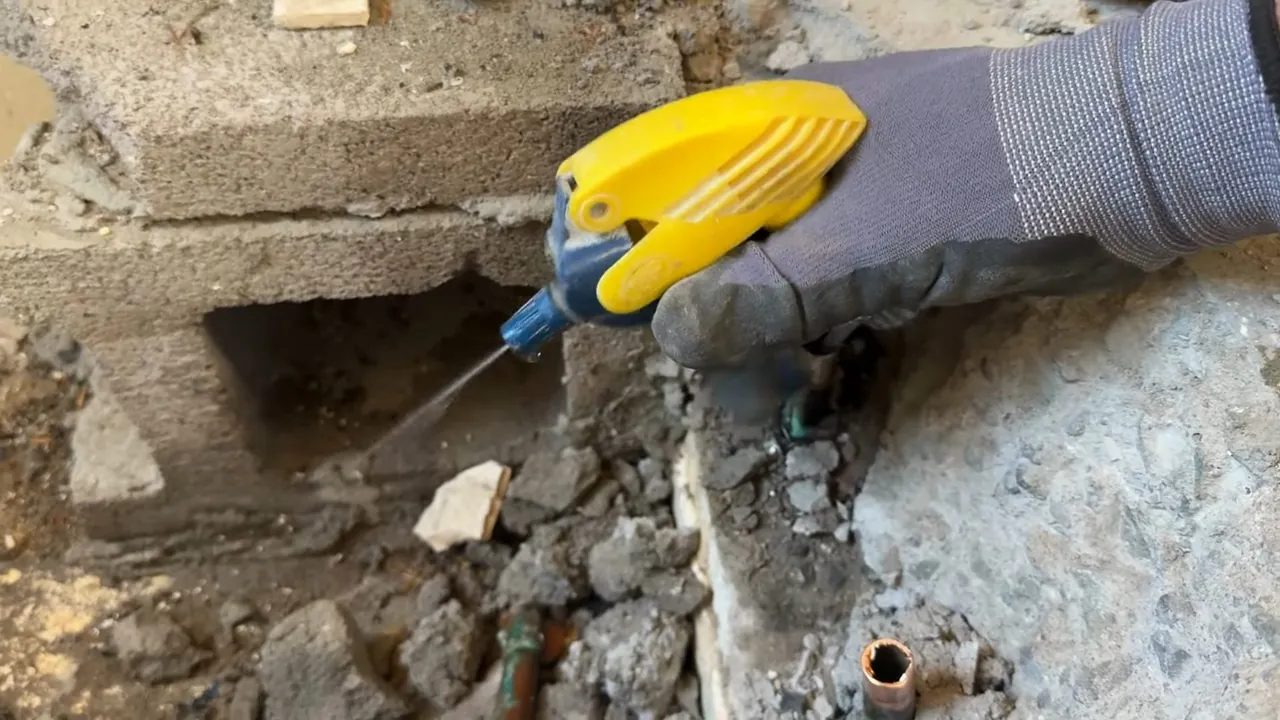
Slab Leaks in Wheat Ridge: Less Common but Not Unheard Of
Wheat Ridge's primary housing stock, built between 1900 and 1955, was constructed on basement foundations and crawlspaces rather than slab-on-grade. This is the fundamental reason that slab leaks are significantly less common in Wheat Ridge than in markets where post-WWII tract housing was built on slab, such as parts of Phoenix, Dallas, or inland Southern California. In a basement or crawlspace home, supply and drain lines run in accessible spaces below the living area, not encased in concrete. Most Wheat Ridge plumbing problems are accessible without breaking concrete.
That said, slab sections are present in some Wheat Ridge properties. Attached garages, particularly those with concrete floors added to pre-1955 homes in later decades, may have supply lines running under the garage slab. Post-WWII additions to otherwise basement homes sometimes used slab construction for added rooms. Homes built in Wheat Ridge from the 1970s onward, as infill development and neighborhood expansion continued, increasingly used partial or full slab construction depending on the builder and lot conditions. And commercial properties throughout Wheat Ridge, including on the 38th Avenue corridor, typically have slab-on-grade construction with embedded plumbing.
Slab Leak Services We Provide
Which Wheat Ridge Properties Are at Risk for Slab Leaks
If you live in a Wheat Ridge home built before 1955 on a full basement or crawlspace, a slab leak in the traditional sense, where a supply line embedded in a poured concrete floor is leaking, is very unlikely. The supply lines in those homes run through the basement or crawlspace where they are accessible. If you are experiencing a supply line leak, it is almost certainly in the accessible crawlspace or basement, not under a slab.
The Wheat Ridge properties where slab leak risk is relevant include: homes from the 1970s through 1990s that were built on full slab foundations, homes with attached concrete-slab garages where supply lines were run under the garage floor, any room additions using slab construction where supply lines were embedded in the new concrete, and commercial properties with embedded plumbing throughout the building footprint. If you have any doubt about whether your plumbing runs under concrete, we can assess during a service call and confirm the pipe routing before assuming a slab situation.
Jefferson County's expansive clay soil creates additional slab leak risk for properties that do have slab construction. The same soil movement that stresses sewer laterals and basement walls can shift a slab-on-grade foundation, stressing supply lines embedded in the concrete to the point of failure at fittings or bends. Copper supply lines embedded in concrete over Jefferson County's clay soil have experienced documented slab leak failures at a rate consistent with other Front Range markets.
Slab Leak Detection Methods We Use in Jefferson County
Detecting a slab leak before confirming it requires systematic diagnosis to eliminate other possible leak sources. A water bill that has increased significantly, water sound when all fixtures are off, warm or wet spots on a concrete floor, or water appearing at the baseboard or door thresholds of a slab-on-grade home all suggest a possible slab leak. However, the same symptoms can be caused by leaks above the slab in accessible supply lines, exterior line leaks, or irrigation system failures.
We begin with pressure testing: isolating the supply system and monitoring pressure to confirm an active leak is present and in the supply system. We then check accessible supply connections and entry points to eliminate above-slab sources. If the pressure loss cannot be accounted for by accessible leaks, acoustic leak detection is used to locate the specific leak position under the slab. Acoustic equipment amplifies the sound of water escaping a pressurized supply line through the concrete, allowing the leak position to be pinpointed to within a few inches before any concrete is broken.
Slab Leak Repair Options: Spot Repair, Rerouting, or Epoxy Coating
Once a slab leak is located, three repair approaches are available depending on the leak location, pipe type, pipe age, and the extent of the affected section. The choice of approach depends on a combination of these factors, and we discuss all three options with cost and longevity assessment before recommending one.
Spot repair through the slab involves breaking concrete above the confirmed leak location, accessing and repairing the pipe at the specific failed point, and patching the concrete after the repair is complete. This is appropriate when the leak is at a single isolated fitting failure in an otherwise sound pipe system and where the concrete surface restoration cost is manageable. Jefferson County clay soil movement can affect the repair location over time if the underlying soil shifting that stressed the pipe originally is ongoing.
Pipe rerouting runs new supply line above the slab through the interior of the building, bypassing the embedded pipe section entirely. This eliminates the need to break concrete and avoids the ongoing risk of additional leaks in the embedded pipe, which often indicates that other sections of the same embedded copper run are under similar stress. Rerouting through a finished space requires careful planning to minimize visible pipe runs or route through available wall and ceiling cavities.
Epoxy pipe lining coats the interior of the existing embedded pipe with an epoxy lining that seals the leak and provides a new interior surface. This trenchless approach is appropriate when the embedded pipe is otherwise structurally sound and the leak is at a corroded section rather than a fitting failure. It requires professional application and is not appropriate for pipes with significant structural deterioration. We serve all Jefferson County communities for slab leak detection and repair, including Wheat Ridge, Arvada, Lakewood CO, and Golden.
Further Reading
Most Wheat Ridge homes have accessible plumbing under basement or crawlspace floors rather than under concrete slabs. For leak detection in those accessible systems: Leak Detection in Wheat Ridge, CO.
Common Questions
Frequently Asked Questions
Possible Slab Leak in a Wheat Ridge Property? Call for Accurate Detection.
We confirm slab leak presence through pressure testing and acoustic detection before opening any concrete, and present all repair options with honest cost and longevity assessment. Available throughout Jefferson County.
Call (303) 567-7524 · Available 24/7